
Planning for Micromobility
Why Micromobility?
Micromobility devices are a sustainable transportation option which can provide enhanced first- and last-kilometre connectivity to major transit services.
The Micromobility Strategy is being developed as a component of the Markham TMP to provide guidance on regulating micromobility devices and planning for future infrastructure and micromobility-related programs.
What is Micromobility?
Micromobility is a broad umbrella term used to refer to lightweight, low speed vehicles. In Ontario, micromobility devices are not allowed to travel faster than 32 km/h.
Common micromobility vehicle types include:

Powered exclusively by human pedalling
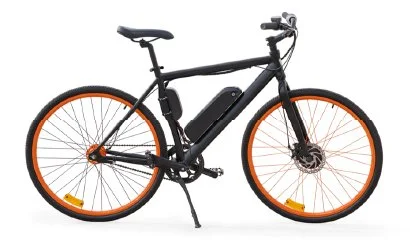
Pedalling is assisted by an electric motor
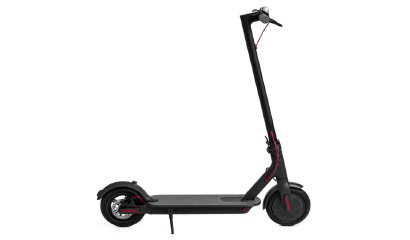
Two-wheeled device ridden while standing
What are AAA Facilities?
All Ages and Abilities, or AAA, active transportation facilities are designed to be continuous, connected, and safe for a wide range of users – including pedestrians and new or less confident riders. AAA design is essential for encouraging more people to use active transportation options.